

Europe’s Formula for Success: Leadership Without Domination
In an era of shifting global power dynamics and increasing geopolitical tensions, the European Union finds itself in a unique position on the world stage. Unlike traditional superpowers that have historically relied on military might and economic coercion to assert their influence, the EU has carved out a distinctive path that challenges conventional notions of global leadership. The bloc is not a classical superpower in the traditional sense, yet this apparent limitation may actually be its greatest strategic advantage in the emerging multipolar world order.
Key Takeaways
- The EU exercises global influence through regulatory standards like GDPR rather than military force, creating the ‘Brussels Effect’ that shapes corporate behavior worldwide
- Middle powers including Canada, Japan, South Korea, and Brazil share EU interests in rules-based order and could form a coalition representing substantial global GDP
- Europe’s post-WWII model of security through economic integration transformed a war-torn continent into one of Earth’s most peaceful regions
- The 2022 Ukraine response demonstrated the EU can combine sanctions and military aid with soft power when core interests are threatened
- Climate change, AI governance, and pandemic preparedness increasingly require the consensus-building approach where EU experience proves valuable
The concept of leadership without domination represents a fundamental departure from the power politics that have characterized international relations for centuries. While the United States and China engage in an increasingly competitive struggle for global supremacy, and Russia pursues aggressive territorial ambitions, the European Union offers an alternative model of international engagement. This approach emphasizes cooperation, institutional frameworks, regulatory influence, and soft power over raw military or economic coercion. The EU’s normative power – its ability to shape global standards and values through example rather than force – has become increasingly relevant in addressing transnational challenges that no single nation can solve alone.
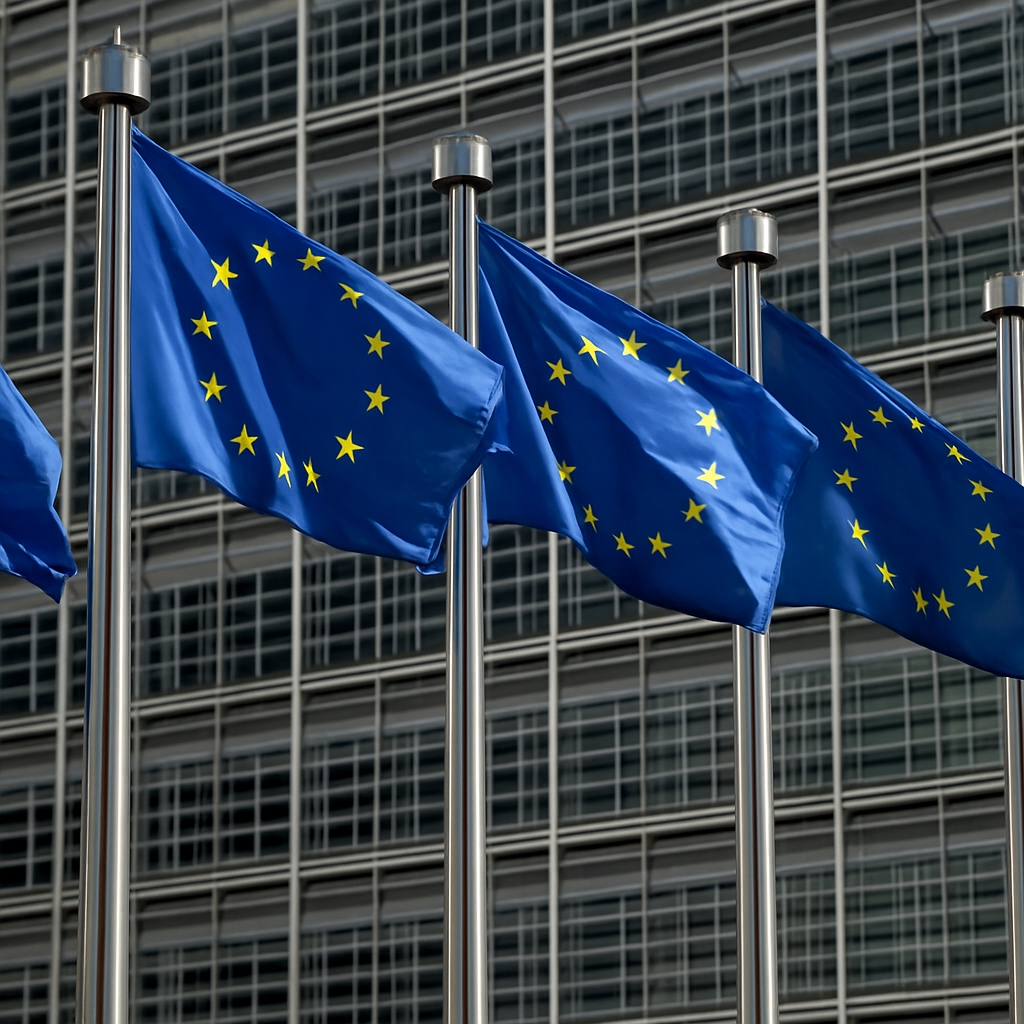
The European Union has emerged as an ideal candidate for leading a coalition of middle powers – nations that possess significant economic and diplomatic influence but lack the overwhelming military capabilities of traditional great powers. Countries like Canada, Australia, Japan, South Korea, Brazil, and India share many common interests with Europe, including support for rules-based international order, free trade, climate action, and multilateral cooperation. Together, these middle powers represent a substantial portion of global GDP, technological innovation, and democratic governance. By positioning itself as a convener rather than a dominator, the EU can build bridges between diverse nations that might otherwise struggle to find common ground.
Historical precedent supports the viability of this approach. The EU itself was born from the ashes of World War II as an experiment in cooperative governance designed to prevent future conflicts among European nations. The European Coal and Steel Community, established in 1951, deliberately intertwined the economies of former adversaries France and Germany, making war between them not only unthinkable but practically impossible. This model of achieving security through economic integration and shared institutions rather than military alliances alone has proven remarkably successful, transforming a continent ravaged by centuries of warfare into one of the most peaceful and prosperous regions on Earth.
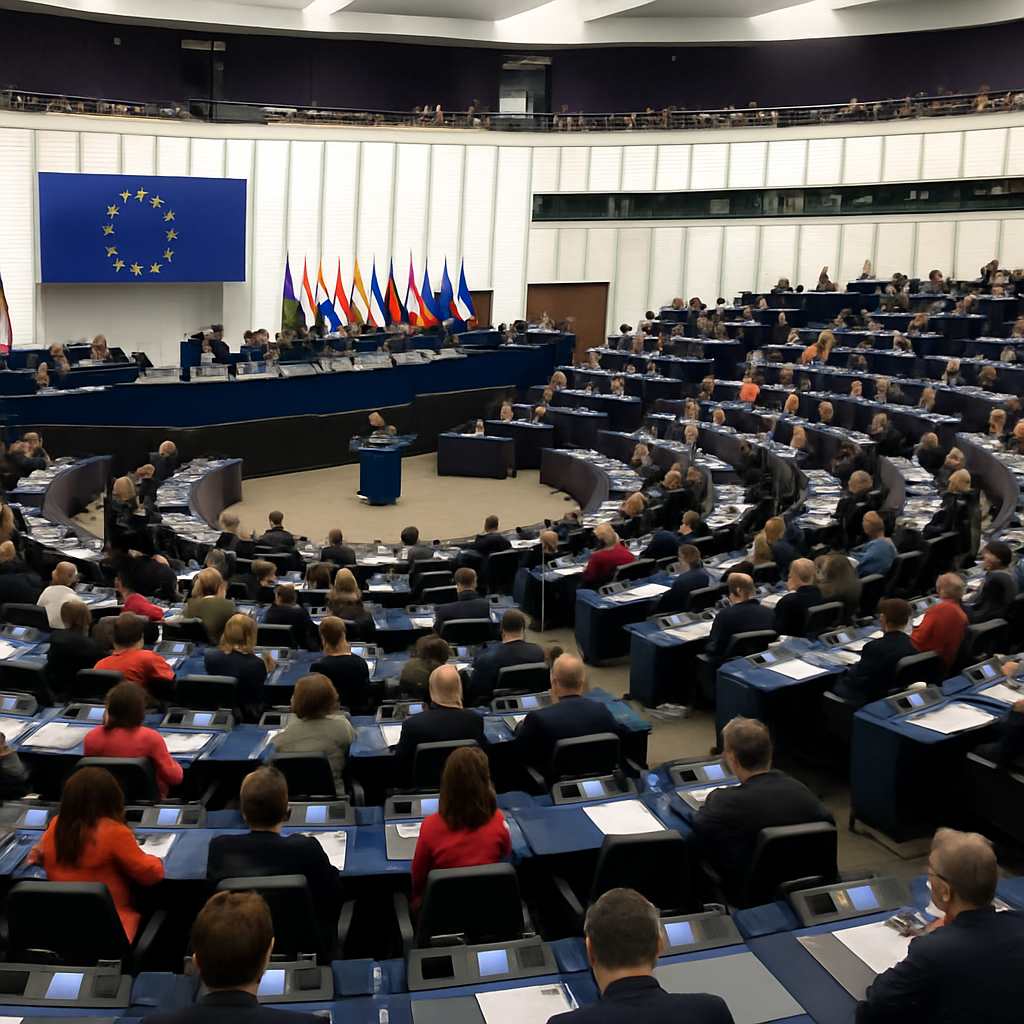
The EU’s regulatory influence, often called the “Brussels Effect,” demonstrates how leadership can be exercised without military dominance. European standards in areas ranging from data privacy and consumer protection to environmental regulations and food safety have become de facto global standards. Companies worldwide comply with EU regulations not because they are forced to by military threat, but because access to the lucrative European market requires it. The General Data Protection Regulation (GDPR), implemented in 2018, has inspired similar legislation across the globe and fundamentally shaped how technology companies handle personal information worldwide. This form of influence is both sustainable and broadly beneficial, creating positive-sum outcomes rather than zero-sum competition.
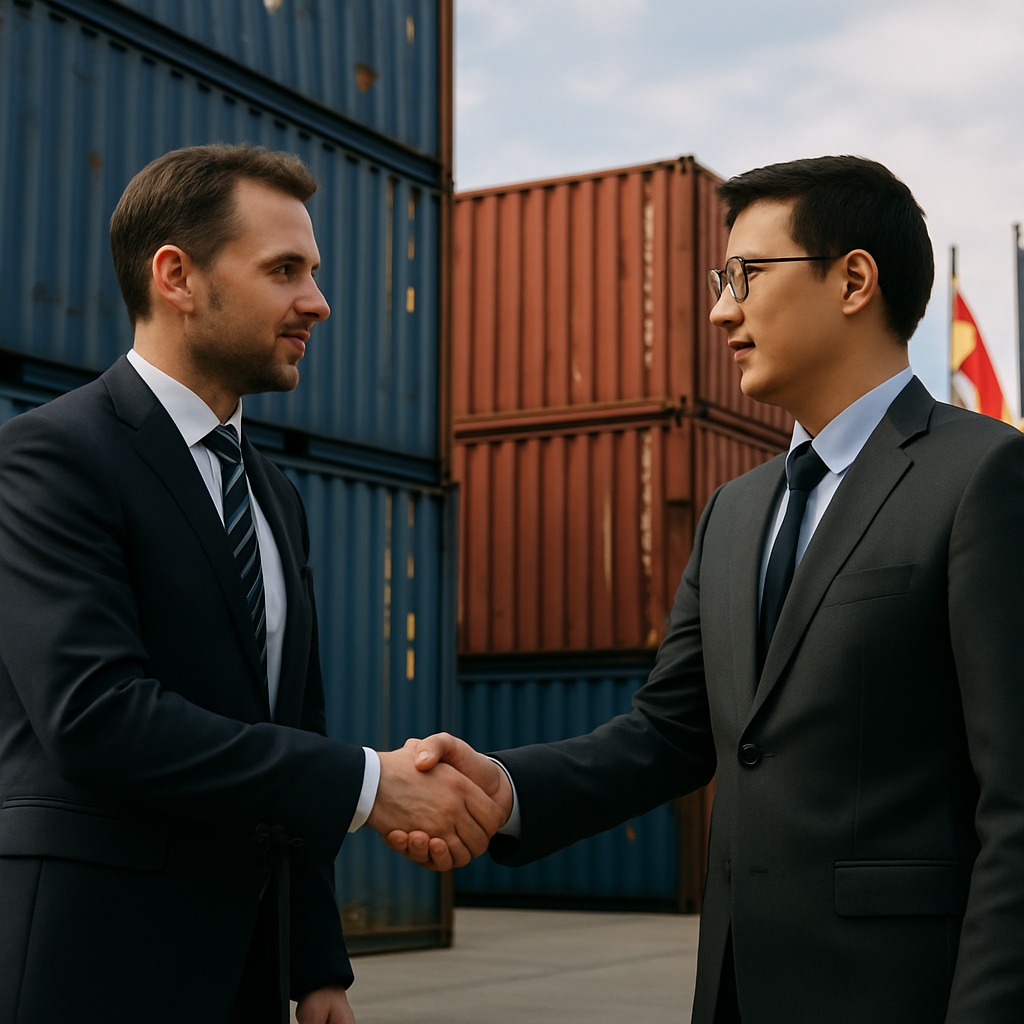
Critics argue that Europe’s reluctance to develop hard power capabilities leaves it vulnerable in an increasingly dangerous world. Russia’s invasion of Ukraine in 2022 served as a stark reminder that military force remains a reality in international politics. However, the European response to this crisis has demonstrated that soft power and hard power are not mutually exclusive. The EU’s unprecedented sanctions regime, combined with significant military and humanitarian aid to Ukraine, showed that the bloc can act decisively when its core values and interests are threatened. The key insight is that effective leadership in the twenty-first century requires a sophisticated combination of tools, with military force being just one instrument among many.
Looking ahead, Europe’s model of leadership without domination may prove increasingly attractive to nations seeking alternatives to alignment with either Washington or Beijing. As climate change, pandemic preparedness, artificial intelligence governance, and other transnational challenges demand collective action, the EU’s experience in building consensus among diverse stakeholders becomes invaluable. The formula for European success lies not in competing with superpowers on their terms, but in demonstrating that a different kind of international leadership is possible – one based on shared values, mutual respect, and the recognition that in an interconnected world, true strength comes from cooperation rather than domination.
What This Means for Global Politics
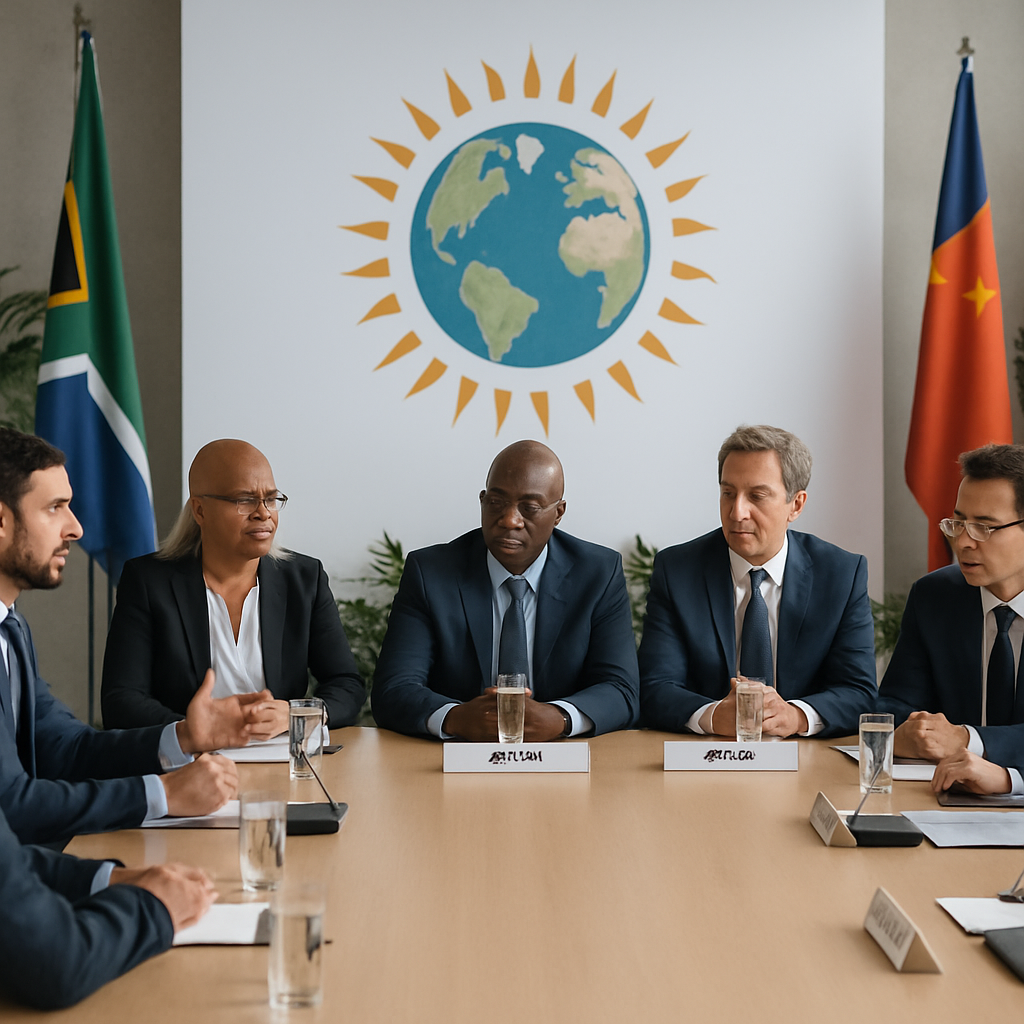
The EU’s positioning as a non-dominating leader arrives at a moment when many nations feel squeezed between Washington and Beijing. Countries in Southeast Asia, Latin America, and Africa increasingly seek partnerships that don’t come with the implicit demands of great power alignment. Europe’s regulatory model offers economic engagement without the military entanglements that often accompany American or Chinese investment.
The Ukraine crisis tested this framework severely. European unity on sanctions exceeded most predictions, and the bloc demonstrated it could mobilize hard power support when necessary. However, continued dependence on American military guarantees and the uneven defense spending among member states remain structural weaknesses that complicate the leadership-without-domination narrative.
The Brussels Effect works primarily because of market size—companies comply to access 450 million consumers. As other regions develop their own regulatory frameworks, this leverage could diminish. The EU’s long-term influence depends on whether its standards genuinely produce better outcomes or simply reflect European preferences imposed through economic weight.
Common Questions
What is the Brussels Effect in EU policy?
The Brussels Effect describes how EU regulations become global standards because multinational companies find it easier to comply with strict European rules across all markets rather than maintain different practices for different regions. GDPR is the most prominent example, inspiring privacy laws worldwide.
Can the EU defend itself without US military support?
Currently, European defense remains heavily dependent on NATO and American capabilities. While individual EU members like France maintain significant militaries, the bloc lacks integrated command structures and sufficient defense spending to operate independently against major threats.
Which countries are considered middle powers?
Middle powers typically include Canada, Australia, Japan, South Korea, Brazil, and India—nations with substantial economic and diplomatic influence but without the overwhelming military capabilities of the US, China, or Russia. They often favor multilateral institutions and rules-based order.